Why Otters Are Returning to UK Rivers: An Explainer
Few comebacks in British wildlife have been as quiet or as remarkable as the otter's. For much of the twentieth century, the Eurasian otter was disappearing from rivers where it had lived for thousands of years. Today, thanks to cleaner water and legal protection, otters are back in most English counties, and are being seen closer to towns and cities than at any point in living memory.
Here is what actually happened, and what it means for anyone who spends time by a river.
Meet the animal at the centre of the story
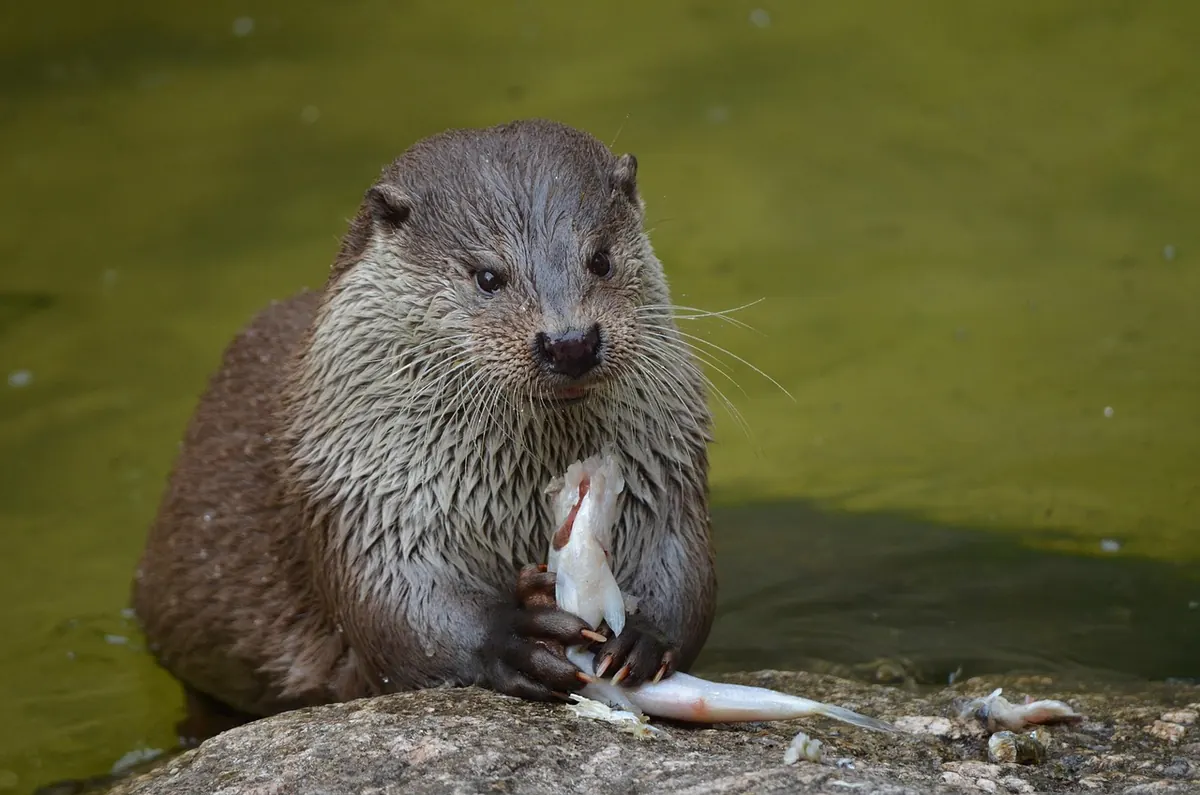
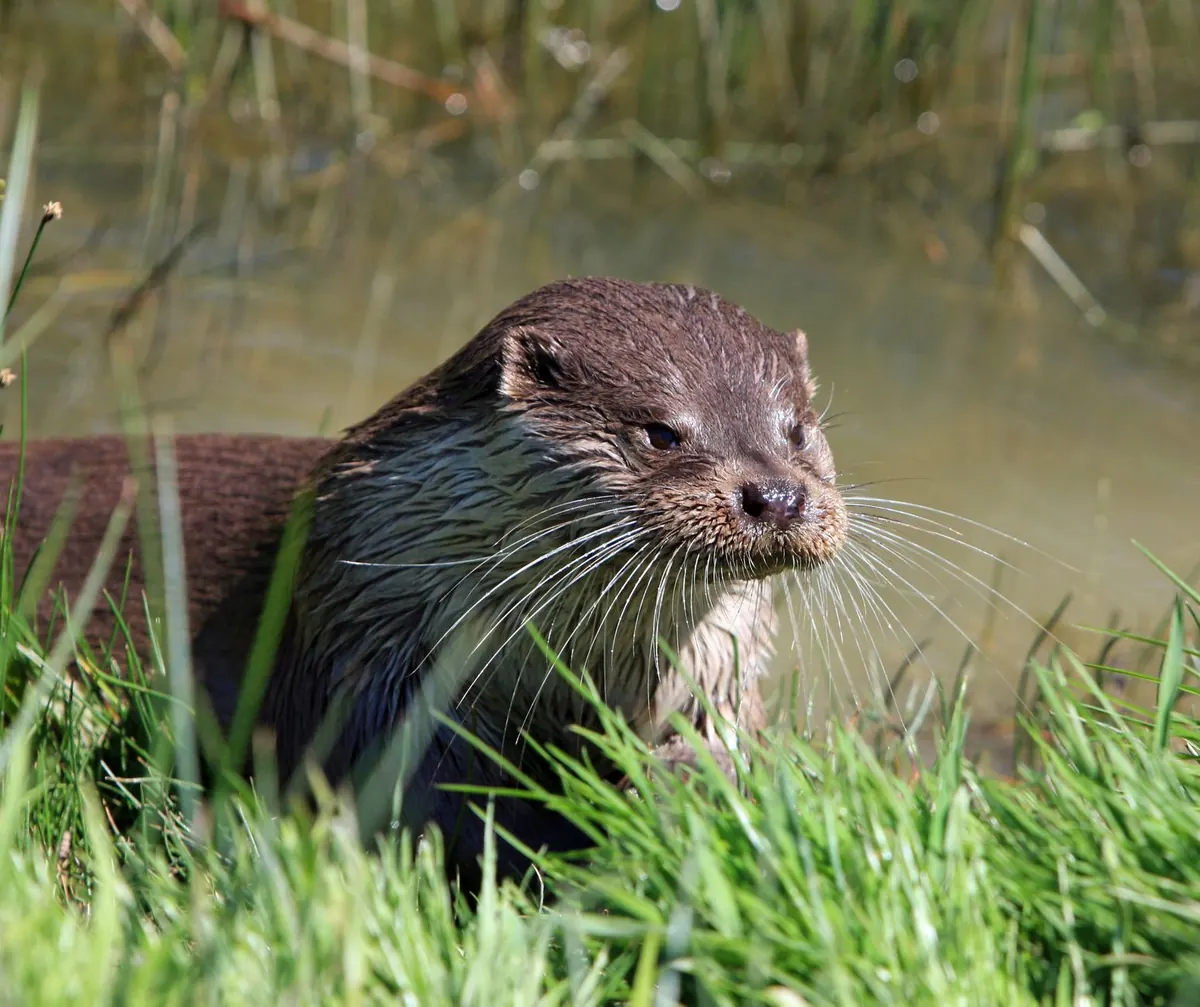
Britain has one native otter: the Eurasian otter (Lutra lutra). It is a long, low, dark-brown mammal with webbed feet, a thick tail and whiskers sensitive enough to detect a fish moving in murky water. An adult might be around a metre from nose to tail tip, though seeing one whole is rare — most sightings are of a head, a back or a line of bubbles.
Otters need a lot: clean water with a decent fish population, banks with trees and roots to shelter in, and enough undisturbed space to raise cubs. They are also territorial, with large home ranges, so a river needs good habitat over many miles, not just a pretty stretch here and there.
The legal turnaround
If you want one reason for the recovery, start with the law. Through the 1950s and 1960s, otters were still legally hunted, and populations crashed further as organochlorine pesticides built up in the food chain. These chemicals, used widely in farming, thinned otter fur and caused breeding failures.
Successive legal changes changed the picture. Otters were protected, and by the early 1980s they were fully protected in law, making it an offence to kill, injure or disturb them, or to damage their resting places. That protection matters in practical ways: a riverside development or a bank reinforcement scheme now has to consider otters, and a known holt — the den where an otter rests or raises cubs — cannot simply be bulldozed.
Protection alone does not restore a river. But it buys time. Without it, otters would have had no safe base from which to spread back.
Cleaner water did most of the heavy lifting
The bigger factor is water quality. Rivers that were once open sewers — the industrial Tyne, the Mersey, stretches of the Thames — gradually improved as sewage treatment was upgraded and heavy industry declined. Fish returned. Invertebrates returned. Otters followed, because everything an otter eats depends on the same water.
It is worth being clear that this is a gradual, uneven story. Some rivers recovered quickly. Others still have problems with phosphates, nitrates, combined sewer overflows and runoff from farmland. Otters can live in moderately polluted water, but they do best where fish are plentiful. Cleaning up a river is the single most effective thing a society can do for them.
Why fish matter so much
Otters are opportunists. They take whatever is easiest to catch: coarse fish such as chub and roach, eels, trout, salmon, crayfish, frogs and — in coastal areas — crabs and sea fish. An otter's presence on a river is not a sign the river is perfect, but it is a strong hint that the food chain is working.
Habitat: the quiet half of the equation
A river can be clean and still be poor otter country if the banks are bare. Otters need cover: tree roots, hollows under banks, log piles and dense vegetation where they can rest during the day. They also use smaller streams, ponds, marshes and ditches as corridors, moving between catchments rather than sticking strictly to one river.
This is where practical conservation work counts. River restoration projects that add woody debris to the channel, soften engineered banks and reconnect floodplains create exactly the sort of messy, varied habitat otters use. So do simple things on farmland: fenced buffer strips along streams, cattle crossings that stop banks being trampled to mud, and reedbeds around ponds.
Roads are a serious hazard, and a major cause of otter deaths. Underpasses and ledges built into bridges help, and where there is a known otter route along a road, a well-placed culvert or an improved bridge apron can make the crossing much safer.
What good otter habitat looks like
- Plenty of fish, with a mix of sizes and species
- Natural, varied banks with trees, roots and undercut edges
- Undisturbed resting spots — holes away from footpaths and lighting
- Connected water: streams, ditches and ponds linked to the main river
- Safe crossing points under or over roads
How we know they are back
Otter recovery is tracked mainly through surveys that look for spraints — droppings, often left on prominent rocks and bridge ledges. They are easy to spot and easy to identify, which makes them a useful, low-cost way to map where otters are. National surveys repeated over decades have shown otters spreading steadily outwards from strongholds in the west and north of Britain, back into the Midlands and the south-east.
The picture varies by region. Scotland holds a large and relatively healthy population, including coastal otters hunting in the sea. In England, otters are now recorded in most catchments, though populations remain patchy and vulnerable. In parts of Wales, they never entirely vanished.
Where does that leave a riverside walk?
More otters does not mean you will see one. They are nocturnal or crepuscular over much of their range, though in quiet coastal areas they can be active by day. A sighting is a matter of patience and timing, not luck alone.
A few things that genuinely improve your chances:
- Go early or late, in the hour around dawn and dusk.
- Walk quietly downstream, so your scent and noise travel behind you far less than upstream.
- Stop often and scan the far bank, especially near tree roots and boulders.
- Look for spraints and tracks, and for the classic run of bubbles as an otter swims.
- Keep your distance, keep dogs out of the water in sensitive stretches, and never approach a holt.
If you find a spraint, leave it in place. It is a signpost for other otters, and useful evidence for anyone monitoring the river.
What comes next — and how you can help
The recovery is real, but it is not finished. Otters are still absent from some catchments, still killed on roads, and still vulnerable to pollution incidents, drought and anything that strips fish out of a river. A population that has recovered once can decline again if the water is allowed to slide.
You do not need to be a conservation professional to make a difference. Support river restoration projects where you live. Report pollution to the Environment Agency (or the equivalent body in your part of the UK) when you see it. Take part in riverfly monitoring or a local mammal survey if you want to help build the evidence base. Keep to paths near known resting sites, and let a farmer know if a stream bank is being poached to mud.
And if you are lucky enough to watch an otter, remember what you are actually seeing: a creature that came back because a legal line was drawn, and because a lot of unglamorous work was done on water and banks over several decades. That is worth protecting.
Photo: IvaIvo / Pixabay